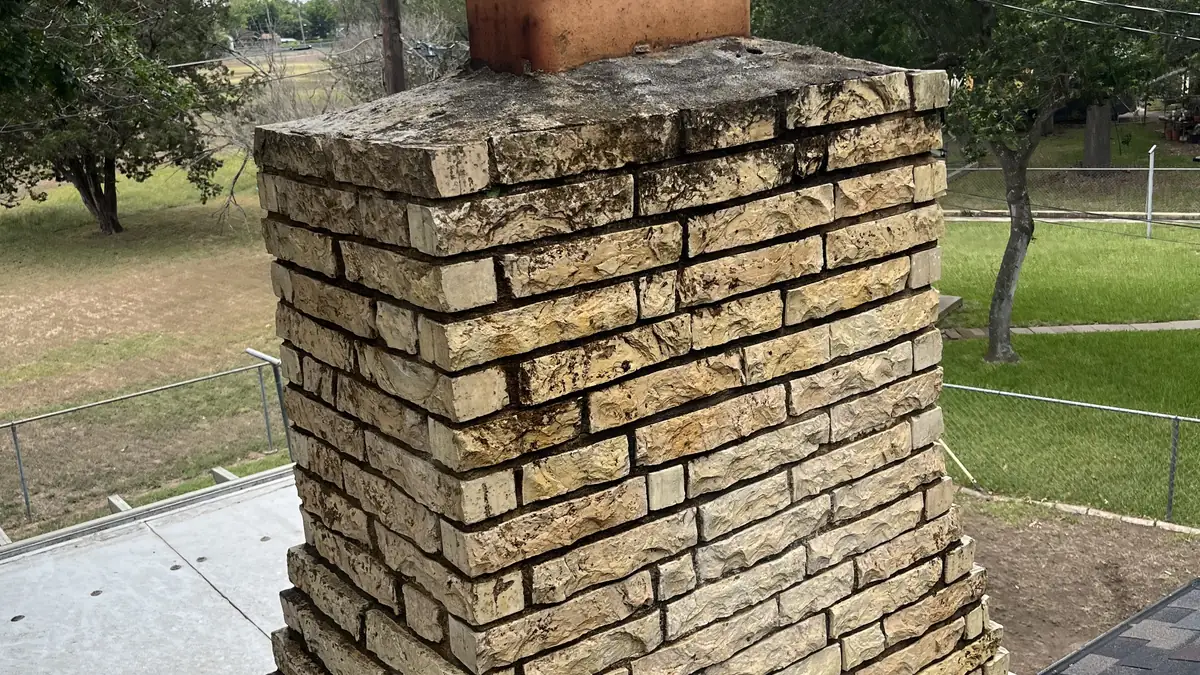
San Antonio Storm Season Home Safety Checklist: Gutters, Chimney & Dryer Vent
San Antonio’s storm season runs from April through September — and it doesn’t ease in gently. The region averages over 30 inches of rain per year, with the heaviest rainfall concentrated in spring and early fall. Hailstorms, flash flooding, and high-wind events are a regular part of life in Bexar County.
Most homeowners think about storm prep in terms of window shutters and emergency kits. But the three systems that take the most punishment during a San Antonio storm season are also the three most commonly neglected: gutters, chimneys, and dryer vents. Here’s the checklist local pros use to get homes ready before the first storm hits.
—
Why Storm Season Prep Matters in San Antonio
San Antonio sits in a unique weather corridor. The city gets intense spring thunderstorms from Gulf moisture colliding with dry air from the west, followed by a second peak in September and October as tropical systems push inland from the Gulf Coast. That means two windows of high-risk weather — and two opportunities for clogged gutters, water-damaged chimneys, and blocked dryer vents to cause serious damage.
The good news: most of this damage is preventable with one focused inspection before the season starts.
—
The San Antonio Storm Season Home Safety Checklist
1. Gutters: Clear, Secure, and Sloped Correctly
Gutters are your home’s first line of defense against storm water. When they’re clogged with oak leaves, cedar debris, and roof granules — which is the norm in most San Antonio neighborhoods by late spring — a heavy rain event turns them into overflow channels that dump water directly against your foundation.
Before storm season, check for:
- Debris buildup in gutters and downspouts (especially after spring cedar season)
- Sagging sections that have pulled away from the fascia board
- Downspouts that terminate too close to the foundation
- Missing or damaged gutter guards
- Standing water in gutters after light rain (indicates improper slope)
A professional gutter cleaning and inspection takes about an hour and removes all debris, flushes downspouts, and identifies any sections that need repair before storm season begins.
2. Chimney: Cap, Crown, and Flashing
San Antonio’s storm season is hard on chimneys — not because residents are using them in summer, but because an uncapped or damaged chimney is an open hole in your roof. Heavy rain can enter through a missing or damaged chimney cap, saturate the firebox, and cause significant water damage to the interior masonry.
Before storm season, check for:
- Chimney cap condition (missing, rusted, or screen damaged)
- Chimney crown cracks (the concrete slab at the top of the masonry)
- Flashing integrity where the chimney meets the roofline
- Efflorescence (white mineral staining on brick — a sign of water intrusion)
- Interior water stains on the firebox walls or damper
A Level 1 chimney inspection covers all of these points and gives you a clear picture of what needs attention before the rains arrive.
3. Dryer Vent: The Hidden Storm Risk
This one surprises most homeowners. What does a dryer vent have to do with storm season? More than you’d think.
First, the exterior dryer vent cap is exposed to the same wind and debris as everything else on your home’s exterior. Damaged or missing caps allow rain, insects, and birds to enter the duct — creating blockages that become fire hazards the next time you run the dryer.
Second, if your dryer vent run has accumulated lint over the past year (the NFPA recommends annual cleaning), that lint becomes a serious fire risk when the dryer works harder in cooler fall weather after summer humidity.
Before storm season, check for:
- Exterior vent cap condition (flapper should open freely, screen should be clear)
- Dryer cycle time (more than 45 minutes for a normal load = likely clogged)
- Visible lint around the dryer connection or exterior cap
- Last professional cleaning date (if over 12 months ago, book it now)
See our full guide on warning signs your dryer vent needs cleaning for a deeper dive.
—
Storm Season Prep: At a Glance
| System | What to Check | Risk If Ignored |
|---|---|---|
| **Gutters** | Debris, slope, downspout clearance, fascia attachment | Foundation water damage, fascia rot, basement flooding |
| **Chimney** | Cap, crown, flashing, interior water staining | Water intrusion, masonry damage, mold in firebox |
| **Dryer Vent** | Exterior cap, lint buildup, cycle time | Dryer fire, carbon monoxide risk, appliance failure |
—
When Should You Do This in San Antonio?
The ideal window is late March through mid-April — after cedar season ends (which fills gutters with pollen and debris) but before the first major spring storm system. If you missed that window, early June is still worth doing before the peak of summer storm activity.
For fall prep, late September is the right time — after the first cool fronts but before the second peak of tropical moisture in October.
—
San Antonio Neighborhoods That Need Extra Attention
Certain neighborhoods in San Antonio have conditions that make pre-storm prep especially important:
Stone Oak and Shavano Park — Mature live oak canopy means gutters fill fast and stay full. Plan on cleaning gutters twice a year minimum.
Alamo Ranch and Helotes — Newer construction in these areas often has longer dryer vent runs due to home layout. Annual professional cleaning is essential.
Alamo Heights and Terrell Hills — Older homes with original masonry chimneys are more vulnerable to crown cracking and flashing failure. A pre-storm inspection is worth the peace of mind.
Leon Valley and Castle Hills — Lower-lying areas with higher flood risk mean proper gutter drainage is critical. Clogged gutters in these neighborhoods can contribute to foundation issues faster than in elevated areas.
—
Ready to Get Your Home Storm-Ready?
Sweeppy handles all three systems — gutters, chimney, and dryer vent — in a single visit. Bundle two or more services and save.
Call (210) 418-9810 to schedule your pre-storm inspection today.
Book online at sweeppy.com/book — same-week appointments available throughout San Antonio, Helotes, Stone Oak, Alamo Ranch, and surrounding areas.
*Licensed & Insured | Locally Owned | 5-Star Google Rated*
—
Frequently Asked Questions
Q: When is storm season in San Antonio, TX?
A: San Antonio’s primary storm season runs April through September, with peak activity in May–June and again in September–October as Gulf moisture increases.
Q: How often should gutters be cleaned in San Antonio?
A: Most San Antonio homes benefit from two cleanings per year — once in early spring after cedar season, and once in late fall after oak leaf drop. Homes under heavy tree canopy may need three.
Q: Does a chimney need to be inspected even if I don’t use it in summer?
A: Yes. Storm season is actually the highest-risk period for chimney water damage. A missing or damaged cap allows rain to enter the flue and firebox, causing masonry damage and mold.
Q: Can I bundle gutter cleaning and dryer vent cleaning with Sweeppy?
A: Yes — Sweeppy offers bundle pricing when you combine two or more services in a single visit. Call (210) 418-9810 for a bundled quote.